A 10-day Israel church group itinerary covers Jerusalem (Days 1-3), Bethlehem and the Dead Sea (Days 4-5), Galilee (Days 6-8), and departure via Tel Aviv (Days 9-10), with Masada, Qumran, the Jordan River, Nazareth, and Capernaum included across 10 structured days.
Ten days is the right length for a church group’s first trip to Israel. Not seven. Seven means you’re racing through Jerusalem and skipping Galilee or the Dead Sea. Not fourteen. Most groups can’t take that much time off, and the last four days of a fourteen-day trip have diminishing returns. Ten days hits the sites that matter without burning people out.
This itinerary is built for a group of 30-50 people. It runs Jerusalem to Dead Sea to Galilee, which is the most efficient sequence geographically and experientially. For full context on what to expect at each site, see our guide to biblical sites in Israel. For how to prepare your group spiritually before departure, see the holy land spiritual pilgrimage guide.
How this itinerary is structured
A few decisions baked into this schedule:
- Jerusalem comes first. The Old City is the most demanding part of the trip. Hit it while the group is fresh.
- The Dead Sea follows Jerusalem as a natural decompression day. Groups are tired by day 4; Masada and floating in the Dead Sea is hard to do wrong.
- Galilee ends the trip on a peaceful, pastoral note. It’s the right emotional landing.
- Transfer days are real days. Day 6 (Jerusalem to Galilee via the Jordan Valley) includes a stop at Jericho and the Jordan River. Nothing is wasted.
Timing notes apply as of April 2026. Site hours and entry requirements change; confirm with your licensed guide 30 days before departure.
Day 1: Arrival in Tel Aviv, transfer to Jerusalem
Your group lands at Ben Gurion Airport (TLV). Most US flights arrive in the morning after an overnight. Budget 90 minutes for immigration and baggage for a group of 30-50. The lines move, but slowly.
From the airport, it’s 55 km to Jerusalem. In a full-size coach with airport traffic, plan 75-90 minutes. Do not schedule any site visits on Day 1. People are running on 4 hours of airplane sleep.
Check into your hotel, have dinner together, and brief the group on the next two days. That’s it.
Where to stay in Jerusalem. The Mount Scopus area and the area near Jaffa Gate both work for groups. Mount Scopus hotels give you a view of the Old City from across the valley. Worth it for the first morning. Hotels near Jaffa Gate save you bus time but cost more. Most church groups book 4-star properties. See the rundown of best hotels for church groups in Israel for specific properties, prices, and what to negotiate before you sign. The complete planning guide covers how to block rooms and when to do it.
Pro tip: Have your guide brief the group over dinner about what they’ll see on Days 2 and 3. Groups that arrive with zero context spend the first morning asking questions that slow everyone down.
Day 2: Jerusalem: Old City, Temple Mount, Western Wall
Start at 7:30 a.m. Temple Mount opens at 7:00 a.m. for non-Muslim visitors, and the lines get serious after 9:00. Get there early or lose 45 minutes standing in the sun.
Morning: Temple Mount and Western Wall
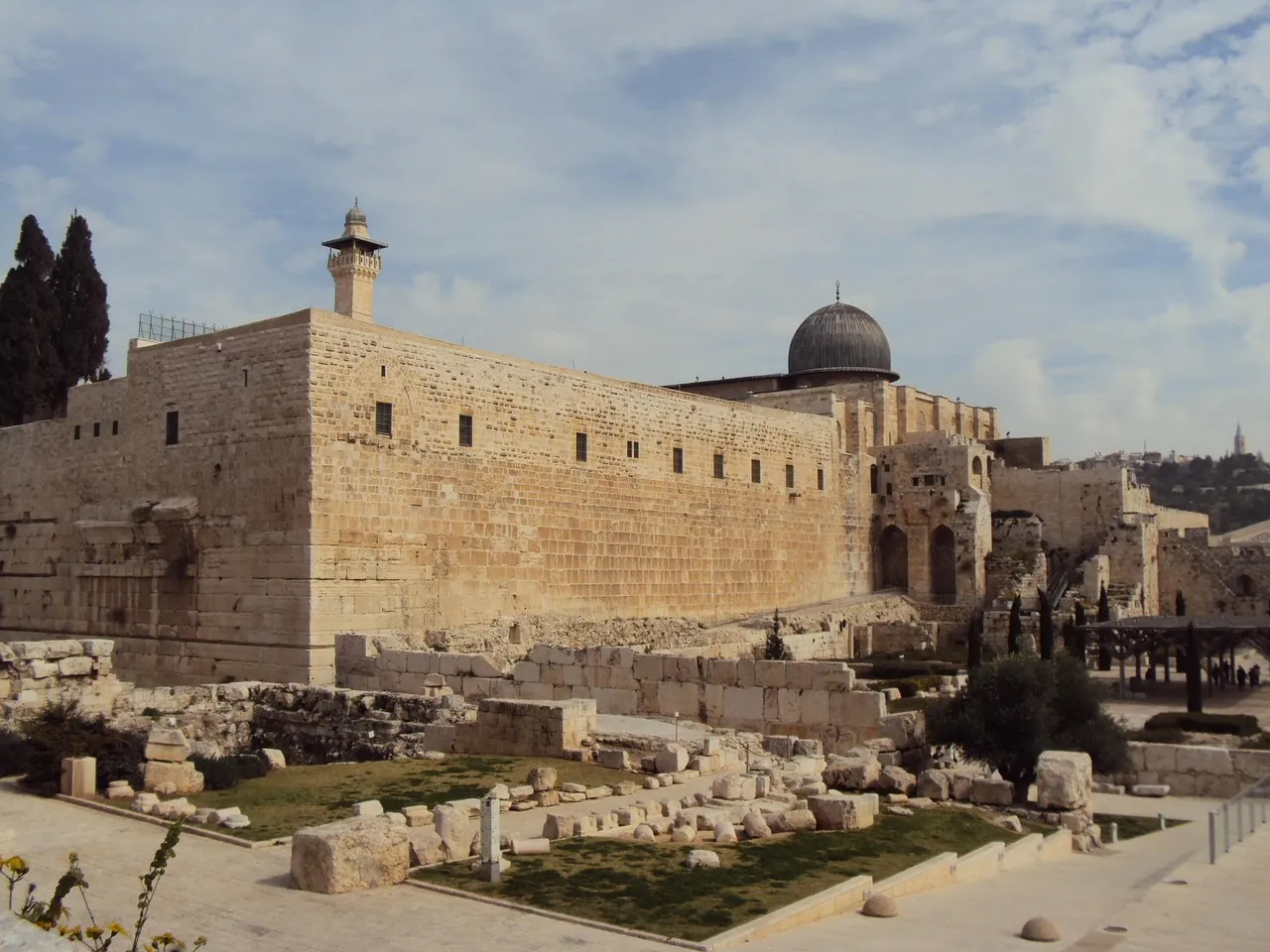
- Temple Mount (45-60 minutes). Walk the platform, take in the Dome of the Rock and Al-Aqsa Mosque from the exterior. The guide will cover the full history of the site: Second Temple, destruction in 70 AD, Crusader period, Ottoman reconstruction.
- Western Wall (30 minutes). This is a devotional moment, not a tour stop. Give the group time to pray at the Wall individually. Best group photo spot: the Western Wall Plaza from the elevated walkway to the left as you face the Wall.
- Western Wall Tunnels (optional, 45 minutes). Worth it if you have time. Book in advance. This requires a reservation.
Late morning: Jewish Quarter and Cardo
The Jewish Quarter is a 10-minute walk from the Western Wall. The Cardo (the excavated Roman colonnaded street) takes 20 minutes and gives context to what Jerusalem looked like in the New Testament period. Your guide will connect it to Paul’s journeys and the early church.
Lunch. Stay in the Old City. The Armenian Quarter has several spots that can handle large groups. Budget 60-75 minutes.
Afternoon: Christian Quarter
- Via Dolorosa (60-75 minutes walking). Walk the 14 stations from the First Station near the Lions’ Gate to the Church of the Holy Sepulchre. The guide handles the history; assign a pastor or elder to lead a short reflection at Station 1 before you begin.
- Church of the Holy Sepulchre (45-60 minutes). This is the most significant site on the trip for most group members. It will be crowded, loud, and disorienting. Brief the group before entering: this is the site of the crucifixion, burial, and resurrection. Give people space to process.
Best devotional spots on Day 2:
- Via Dolorosa Station 1: Read John 19:1-16 before starting
- Inside the Edicule at the Holy Sepulchre: Keep it to a single short prayer. The line behind you is long.
What to skip today: The Tower of David Museum is excellent, but it takes 2 hours and competes with the Holy Sepulchre for emotional real estate. Save it for a half-day if you have extra time. Skip the souvenir shops on the Via Dolorosa. Tell your group they have better shopping time later.
Day 3: Jerusalem: Mount of Olives, Gethsemane, City of David
Earlier start today: 7:00 a.m. departure.
Morning: Mount of Olives
The Mount of Olives gives you the best panoramic view of the Old City and the Temple Mount. Every group takes their main group photo here. Come early. By 9:00 a.m. the tour bus traffic on the ridge is heavy and you lose the view to other groups.
- Dominus Flevit Church (20 minutes). The teardrop-shaped chapel marks where Jesus wept over Jerusalem (Luke 19:41). The window behind the altar frames the Old City perfectly.
- Garden of Gethsemane (30-40 minutes). The olive trees in the garden are among the oldest in the world. Some have been dated to the 1st century. Read Luke 22:39-46 here before the guide speaks. This is consistently the most emotionally significant stop for group members.
- Church of All Nations (15 minutes). Directly adjacent to Gethsemane. The mosaic facade is striking. Go inside briefly.
Mid-morning: City of David
A 10-minute bus ride from Gethsemane. The City of David is where Jerusalem began. The original Jebusite settlement David captured in 2 Samuel 5. Walk Hezekiah’s Tunnel if your group is willing to wade through knee-deep water in the dark (most are; it’s 45 minutes and genuinely memorable). The dry Canaanite Tunnel is the alternative for those who don’t want to get wet.
Pro tip: Bring a change of socks if you do the wet tunnel. Pack them in a day bag, not checked luggage. Remind the group the morning of.
Lunch. Back in the hotel or at a restaurant near the Old City.
Afternoon: Free time or optional visit
Options for the afternoon:
- Ben Yehuda Street and Mahane Yehuda Market for shopping and exploring
- Yad Vashem (if your group has a specific reason to include it; see the FAQ for my take)
- Rest at the hotel (genuinely underrated; people are tired)
Dinner in Jerusalem. This is your last night in the city. A group dinner with a brief reflection from your pastor is a good way to close two days in Jerusalem before the itinerary shifts.
Day 4: Bethlehem + Dead Sea area
Check out of your Jerusalem hotel. Your luggage goes on the bus.
Morning: Bethlehem
Bethlehem is 10 km south of Jerusalem, about 30 minutes by bus depending on traffic and checkpoint wait times. The checkpoint crossing for tour groups is typically 15-20 minutes but can run longer. Build in buffer.
- Church of the Nativity (45-60 minutes). This is the oldest continuously operating Christian church in the world, built over the traditional site of Jesus’s birth. The Grotto of the Nativity is below the main altar. Lines form quickly; your guide will manage the queue.
- Manger Square (15 minutes). The plaza outside the church. Good for group photos.
- Shepherd’s Field (20 minutes). A short drive outside Bethlehem. Less crowded, more pastoral. Read Luke 2:8-20 here. This is where many groups have their most moving devotional moment of the entire trip.
Lunch. Bethlehem has several restaurants geared for tour groups near Manger Square.
Afternoon: Dead Sea
Drive from Bethlehem to the Dead Sea is about 45 minutes. The descent from Jerusalem (850m above sea level) to the Dead Sea (430m below sea level) is one of the most dramatic drives in the world. Your guide will narrate the geography through the Judean Wilderness.
Check into your Dead Sea hotel. The resort hotels on the Israeli side have private beach access to the Dead Sea. Swimming time is 60-90 minutes. The water is 34% salt. You cannot sink. First-timers are always surprised by how strange it feels. Keep it away from eyes and any cuts.
What to skip in Bethlehem: The Milk Grotto Church. It’s a minor site and takes 30 minutes you don’t have.
Day 5: Masada + Qumran + Dead Sea float
Full day in the Dead Sea region. No driving needed until the evening (if transferring to Galilee; see Day 6).
Early morning: Masada
Masada opens at sunrise. Go then. The cable car starts running at 8:00 a.m. For groups of 30-50, the cable car is the right call. The Snake Path hike up takes 45-60 minutes each way and requires physical fitness. A few group members can hike up if they want; the rest take the cable car.
On top of Masada (90 minutes):
- Herod’s Northern Palace and the Byzantine church ruins
- The synagogue where the Zealots held their last stand in 73 AD
- The view of the Dead Sea and Jordanian mountains across the water
The story of the Masada siege matters to Christian groups as context for the world Jesus was born into: Roman occupation, Jewish resistance, the destruction that was coming. Your guide will connect it. For the archaeological background on sites like this one, see the guide to biblical sites in Israel.
Mid-morning: Qumran
Qumran is 25 km north of Masada on the Dead Sea highway. Budget 60-75 minutes. This is where the Dead Sea Scrolls were found in 1947. The site museum holds reproductions; the originals are in Jerusalem’s Israel Museum. Your guide will cover the Essene community and why the scrolls matter for biblical scholarship.
Afternoon: Dead Sea float
Back to your hotel for the afternoon. Groups who stayed at a Dead Sea resort get a second swim. Groups who stayed elsewhere can use a day-use beach club. Your guide will arrange this. The Dead Sea is an essential experience; don’t shortchange it.
Day 6: Transfer to Galilee via Jordan Valley
Travel day. Jerusalem to the Sea of Galilee is 150 km, about 2.5 hours direct. This route goes through the Jordan Valley, which turns a transit day into a content day.
Morning stops en route:
- Jericho (45-60 minutes). The oldest inhabited city in the world. See the Tel es-Sultan excavations (the archaeological mound) and the Mount of Temptation from the road. Most groups stop for 45 minutes, which is enough. Zacchaeus’s Sycamore Tree is in the center of town. Tourist trap, but groups love it, so I’ll leave that call to you.
- Jordan River Baptism Site at Qasr al-Yahud (45-60 minutes). This is the traditional site of Jesus’s baptism (Matthew 3:13-17). Many group members choose to be re-baptized here or baptize other members. Budget extra time if your group plans baptisms. Even 5 people adds 30 minutes. Bring white baptism robes or your guide can arrange rentals. For everything you need to plan a baptism ceremony here — logistics, what to bring, how to book — read the Jordan River baptism guide.
Pro tip: Qasr al-Yahud requires advance booking for groups. Do not assume you can show up. Your tour operator should handle this, but confirm it at the 30-day mark.
Lunch. Stop at a restaurant in the Jordan Valley or arrive in Tiberias and eat there.
Afternoon: Check into your Galilee hotel. Most groups stay in Tiberias on the western shore of the Sea of Galilee. Rest, walk to the waterfront, let people decompress. Dinner at the hotel. Galilee is a completely different pace from Jerusalem.
What to skip in Jericho: The cable car to the Monastery of the Temptation. It takes 45 minutes and requires more time than this transfer day allows. Come back on a longer trip.
Day 7: Sea of Galilee: Capernaum, Tabgha, Mount of Beatitudes, boat ride
The best day of the trip for most groups. Every site is significant and they’re all within 15 km of each other on the northern shore of the Sea.
Morning: Capernaum
Capernaum was Jesus’s base of operations during his Galilean ministry. The ruins of the 4th-century synagogue sit directly above the remains of the 1st-century synagogue where Jesus taught (Mark 1:21). The octagonal Byzantine church is built over the traditional site of Peter’s house.
Budget 45-60 minutes. Read Mark 1:16-28 before entering the site.
Tabgha: Church of the Multiplication
Five minutes from Capernaum. The 5th-century mosaic floor depicting the loaves and fish is one of the most intact Byzantine mosaics in the world. Read John 6:1-14. Thirty minutes is enough.
Mount of Beatitudes
Fifteen minutes from Tabgha. The hilltop overlooking the Sea of Galilee is where tradition places the Sermon on the Mount. The church is a circular Italian-built structure from 1938, architecturally beautiful, set in landscaped gardens.
Read Matthew 5:1-12 outside before entering the church. This is one of the best devotional moments on the trip. The view down to the Sea is exactly what you expect it to be.
Group photo spot: On the steps of the Mount of Beatitudes church, facing the Sea of Galilee. The water fills the background.
Boat ride on the Sea of Galilee
After the Mount of Beatitudes, drive back down to Tiberias or to Kibbutz Ginosar for a boat ride. A “Jesus Boat” (a wooden boat modeled on a 1st-century fishing vessel discovered in 1986) operates out of Ginosar. The boat ride takes 45-60 minutes on the water.
Most groups have a worship time on the water. This is the right place for it. Keep it organic. Let your worship leader do their thing. Read Luke 5:1-11 or Matthew 14:22-33.
Lunch. St. Peter’s fish (tilapia from the Sea of Galilee) is the traditional meal. Several restaurants in Tiberias serve it. For guidance on local food and what to expect at meals throughout the trip, see the Israel travel guide for Christian visitors.
Afternoon: Free time in Tiberias. Some groups take a second walk along the promenade. Let people rest.
Day 8: Nazareth + Cana + Jordan River
Morning: Nazareth
Nazareth is 30 km west of Tiberias, about 45 minutes by bus. The Basilica of the Annunciation is the largest church in the Middle East, built over the traditional site of Mary’s home (Luke 1:26-38). The lower church contains the original cave. Allow 60 minutes.
What to expect in Nazareth. It’s a busy Arab city. The traffic getting to the basilica is frustrating and the parking situation for large buses requires your driver to be experienced. Your guide handles this. Don’t let the modern city distract from the significance of being here.
- Nazareth Village (optional, 90 minutes). A reconstructed 1st-century Galilean village with actors in period dress. It sounds cheesy; it’s actually excellent for groups who want a more immersive experience. Worth adding if your group includes older members who struggle with long walks at archaeological sites.
Mid-morning: Cana
Cana is 15 minutes from Nazareth. The Wedding Church marks the site of Jesus’s first miracle (John 2:1-11). Budget 30 minutes. Couples in the group often renew their vows here. If any couples want to do this, let the guide know in advance so it can be arranged.
Lunch. Cana or back toward Tiberias.
Afternoon: Jordan River baptism (if not done on Day 6)
If your group did the Qasr al-Yahud site on Day 6, skip this. If not, Yardenit Baptism Site near Kibbutz Kinneret is a more accessible (and more tourist-friendly) option. It’s organized specifically for baptism groups, has changing rooms and white robe rentals, and sits directly on the Jordan River. It handles the logistics well. Less historically significant than Qasr al-Yahud, but much easier to manage.
Evening: Last night in Galilee. Group dinner and reflection. A short devotional looking back on the Galilean ministry of Jesus (where it started, what happened, what it means) is a natural close to this section of the trip.
Day 9: Caesarea + Megiddo + arrival in Tel Aviv
Travel day south, but with two major stops.
Morning: Caesarea
Caesarea is 90 km southwest of Tiberias, about 1.5 hours. Herod the Great built this port city in the 1st century BC and named it for Caesar Augustus. Paul was imprisoned here (Acts 23:23-35) and appeared before Agrippa here (Acts 26). The Roman theater, hippodrome, and harbor ruins are well-preserved.
Budget 90 minutes. The site is large and requires walking. The excavated harbor area is the most impressive section.
Lunch at Caesarea. The site has a decent restaurant on the harbor. Groups eat here regularly.
Early afternoon: Megiddo (Armageddon)
Megiddo is 35 km southeast of Caesarea, about 45 minutes. Tel Megiddo is the archaeological mound where 30 layers of ancient cities have been excavated. For church groups, the significance is Revelation 16:16. This is the plain of Jezreel, the site John identifies as Armageddon. Budget 60-75 minutes.
Pro tip: The water tunnel at Megiddo (Iron Age, similar to Hezekiah’s Tunnel in Jerusalem) is worth doing if the group still has energy. It’s dry, takes 15 minutes, and is genuinely impressive engineering for 900 BC.
Late afternoon: Tel Aviv
Check into your Tel Aviv hotel. Tel Aviv is 60 km from Megiddo, about 60-75 minutes. The hotel is near the airport for an easy morning departure.
Tel Aviv has a seafront promenade (the tayelet) that runs for several kilometers. Groups walk it, eat dinner nearby, and enjoy a final evening that’s completely different from everything else on the trip: modern, Mediterranean, relaxed.
What to skip on Day 9: Old Jaffa. It sounds like a natural addition (ancient port city, site of Jonah’s departure, Peter’s vision in Acts 10), but by Day 9 your group is exhausted and Old Jaffa deserves 2 hours of focused attention to be worthwhile. Save it for a longer trip or a free afternoon.
Day 10: Departure
Early checkout. Ben Gurion Airport is 20 km from central Tel Aviv, about 30 minutes without traffic. Allow 3 hours before your flight for international departure with a group.
Some groups add a quick morning stop at Old Jaffa (see above) or the open-air Carmel Market if the flight allows it. For a 10:00 a.m. or later departure, you have time for one stop. Before noon, go straight to the airport.
Practical notes for the full itinerary
Daily distance walked. Days 2 and 3 in Jerusalem average 8-10 km of walking on uneven stone surfaces. Days 7 and 8 in Galilee are lighter: 4-6 km on flatter terrain. Masada on Day 5 (cable car) adds very little walking on top. Brief your group on footwear before departure: closed-toe walking shoes, not sandals, for Jerusalem.
Devotional scheduling. Don’t try to do a devotional at every site. Pick 2-3 per day, keep them to 5-7 minutes, and assign them to different people in your group. Over-programming the spiritual content kills it. The sites are the devotional.
Entrance fees. Most sites charge per person. Your tour operator builds this into the package. The sites with the highest fees (Masada cable car, City of David tunnels, boat ride) add up to roughly $100-$150 per person across the trip. See the full cost breakdown for church group travel to Israel for how these fees fit into the total budget.
Entrance timing. Three sites require advance booking and have limited group slots: Western Wall Tunnels, Qasr al-Yahud Jordan River site, and the Yardenit baptism if you plan a large baptism ceremony. Confirm all three with your operator at the 60-day mark, not the 30-day mark.
Group size and buses. Groups of 30-45 fit in a single standard Israeli tour bus (50-seat coach). Groups of 46-50 either squeeze into one bus (some operators allow this; confirm legality and comfort) or split into two smaller vehicles. Two buses is better. It reduces bottlenecks at every site entry.
Meals. Most full-package tours include breakfast at the hotel and dinner at restaurants or the hotel. Lunch is your own. Budget $15-$25 per person per lunch. The Jordan Valley, Galilee, and Tel Aviv all have good lunch options within 10 minutes of the main sites.
For everything before you board the plane (documentation, health, what to tell your group about money and customs), the Israel travel guide for Christian visitors covers it.
Bottom line
This itinerary covers the sites that matter for a church group and cuts the ones that don’t. Jerusalem takes 2.5 days, the Dead Sea region takes 2 days, Galilee takes 2.5 days, and travel days are used for content, not just transit. You won’t finish it wishing you’d added more. You’ll finish it wishing you could come back. Book rooms 9-12 months out, lock in your guide at the same time, and confirm baptism sites at 60 days. Everything else is manageable.