Israel is two things at once: one of the most historically significant places on earth for Christians, and a functioning, opinionated, loud, generous country with some of the best food in the Middle East. Most pilgrimage tours do a good job with the first part. This guide is about the second part.
Walking the Via Dolorosa is the reason you came. If you want to go deeper on spiritual preparation for a Holy Land pilgrimage, that guide covers the devotional side in full. This guide is about everything else: the twelve meals you will eat that have nothing to do with the Bible, and the neighborhoods, markets, and restaurants that most tour itineraries don’t mention. This is the information that makes those moments richer rather than confusing.
Understanding Israeli food culture
Israeli food is not a single cuisine. It is the result of Jewish communities arriving from Eastern Europe, Yemen, Morocco, Iraq, Iran, Ethiopia, and elsewhere over the past century, each bringing a kitchen tradition, all of them eventually landing in the same markets and mixing. Arab cuisine, which predates the state, adds another deep layer. What you eat at breakfast in a Jerusalem hotel looks nothing like what you eat at a Tel Aviv fish restaurant, which looks nothing like what you find at a Druze roadside grill in the Galilee. The through-line is fresh produce, good olive oil, and the assumption that food is worth stopping for.
The default meal structure is worth knowing. Breakfast in Israel is serious: cucumbers, tomatoes, olives, labane (a thick strained yogurt), hard-boiled eggs, bread, and usually some form of salad with everything. Hotels do this buffet-style and do it well. The Israeli breakfast tradition exists because this is what people actually eat at home before work, not a tourist invention. Lunch is often the main meal. Dinner is lighter in traditional households, though restaurants operate late.
Bread comes to every table and refills are free. The small dishes that arrive before a main course, called mezze, are often a meal in themselves: hummus, baba ghanoush, tabbouleh, pickled vegetables, tahini. Eat them.
Kosher explained without the footnotes
Most Jewish-owned restaurants in Israel keep kosher, which means they follow Jewish dietary laws. For a Christian visitor, the practical implications are simple.
Kosher restaurants are either meat or dairy, not both. A meat restaurant serves chicken, lamb, beef, and fish, but nothing with milk in it: no butter on the bread, no cream sauce, no cheese on the chicken. A dairy restaurant serves everything with cheese and cream but no meat. You will see “dairy” or “fleishig” (meat, in Yiddish) on the restaurant’s sign or window, or your guide will know.
Pork does not appear in kosher restaurants. Shellfish does not appear either. If you want bacon or a cheeseburger, go to a non-kosher restaurant or an Arab restaurant.
The easiest way to navigate this as a visitor: if you see a mashgiach certificate in the window (a kosher supervision certificate), the restaurant keeps these rules. Arab restaurants, non-kosher restaurants (common in Tel Aviv), and restaurants inside international hotels do not keep kosher and serve everything.
None of this interferes with enjoying Israeli food. The kosher meat restaurants are excellent. The dairy restaurants are excellent. You just need to know what you are walking into.
Jerusalem: where to eat
Jerusalem is a walking city, and hunger is best solved by walking rather than planning. That said, a few specific places are worth finding.
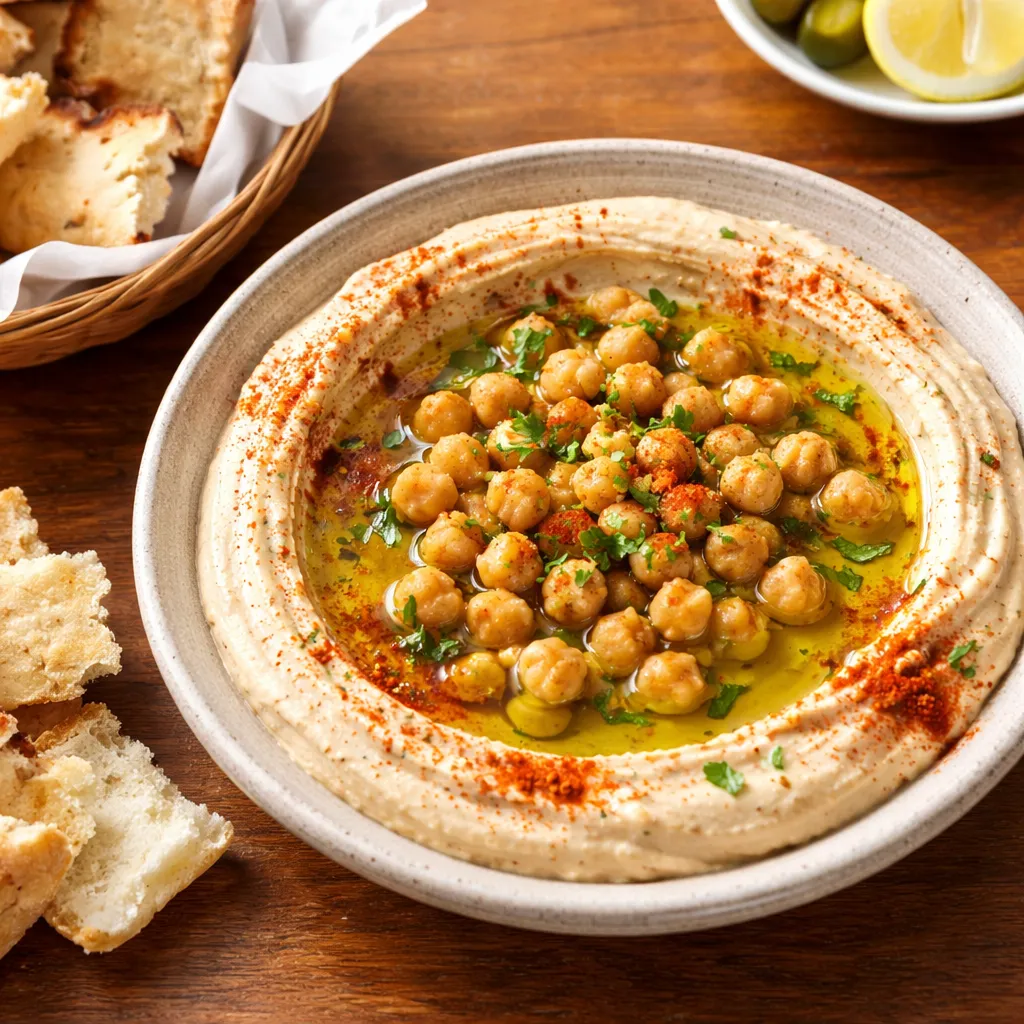
Hummus. The argument about the best hummus in Jerusalem is one Jerusalemites have every week and will never settle. Abu Shukri, on Al-Wad Street in the Muslim Quarter, is the frequently cited answer, and the citation is accurate. They open at 8am, they run out by early afternoon, and they serve hummus with whole chickpeas and olive oil in a way that makes other hummus seem underambitious. A plate costs about 35 shekels. Cash only. If you arrive after 1pm, go across the city to Hummus Ben Sira near Nahalat Shiva, which keeps later hours.
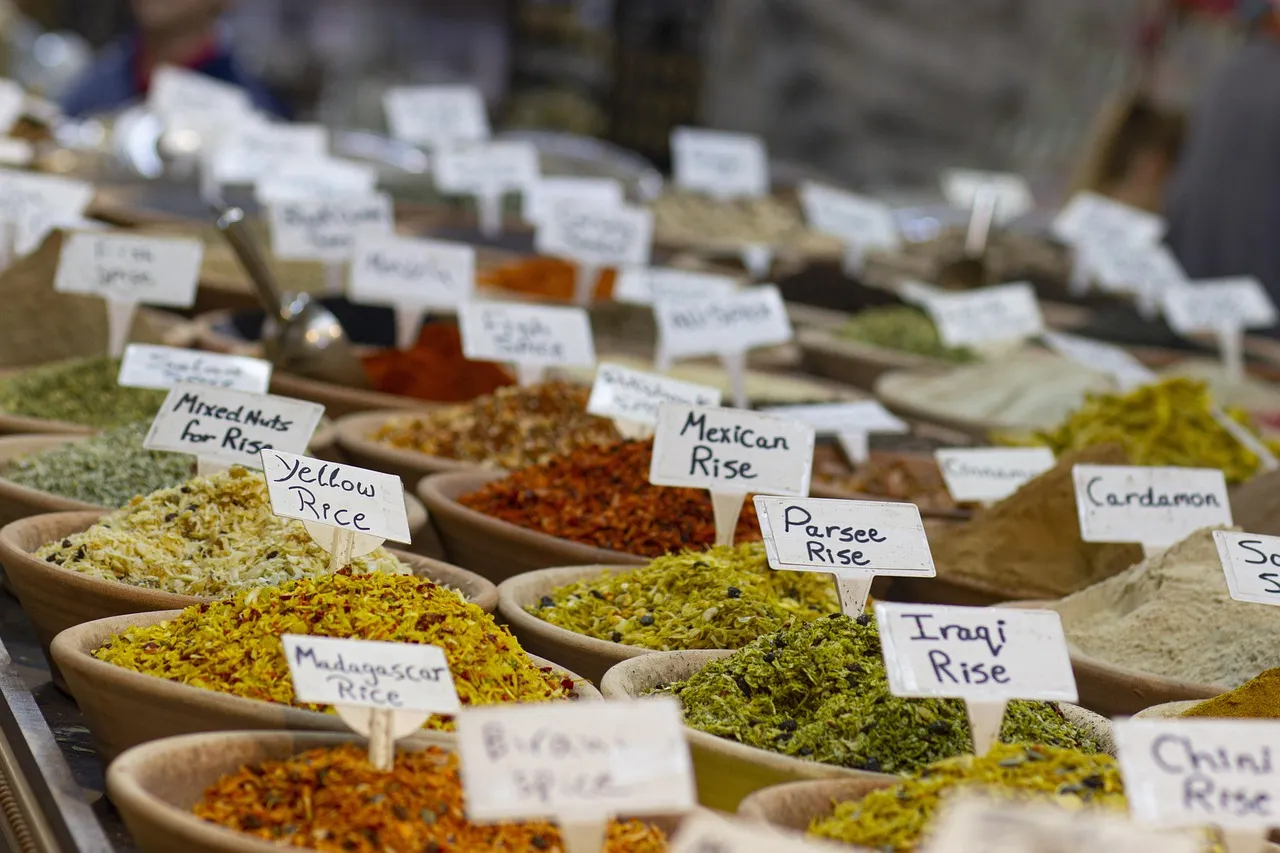
The Muslim Quarter souk. Between Damascus Gate and the Church of the Holy Sepulchre runs the main covered market of the Muslim Quarter. The front section near Damascus Gate sells produce, spices, and household goods for locals; the further in you go, the more tourist-facing it gets. Buy the spices near the entrance (za’atar, sumac, dried rose petals, cardamom) where the prices are for locals: a bag of good za’atar goes for 20-30 shekels. The tourist section sells olive wood souvenirs and keffiyehs, which are worth buying but at negotiated prices, not the first number you hear.
Mahane Yehuda Market. This is the West Jerusalem food market, about fifteen minutes by taxi from the Old City, and it warrants a separate visit. The market’s own site lists current vendors and events if you want to check what is on before you go. During the day it is a working market where locals buy produce, fish, cheese, and bread. By 6pm on Thursdays and Fridays, the stalls that close for Shabbat have been replaced by bars that open in the same spaces. The market at night, with tables set in the alleyways and people eating falafel while standing next to butchers closing up their counters, is one of the better street scenes in the country.
During the day: buy halva (sesame paste candy, sold by the slab) at the halva stalls toward the center of the market. Buy rugelach from one of the bakeries on the main street, Machane Yehuda Street. Drink fresh-squeezed pomegranate juice, which you will find at multiple stalls for about 15 shekels. Eat a bourekas, a flaky pastry stuffed with potato or cheese, for about 8 shekels. Lunch here is easy: go to the Palestinian hummus joint on the market’s edge, or join the line at any of the shawarma places that runs out the door.
For a proper sit-down meal near Mahane Yehuda, Machneyuda restaurant on Beit Yaakov Street is where Jerusalem chefs eat. It is a meat restaurant, loud, fully Israeli, with a menu that changes daily based on what was good at the market that morning. Expect to pay 120-180 shekels per person for food, more with wine. Reservations strongly recommended.
In the Jewish Quarter. The Jewish Quarter of the Old City is mostly residential and quiet. For coffee, Cafe Yotvata near Hurva Square is a standard stop. For something better, walk outside the Jewish Quarter toward the Armenian Quarter where a few small cafes serve Arabic coffee (cardamom-spiced, unfiltered) alongside sesame bread rings called ka’ak. These are not tourist businesses; they are neighborhood shops and the prices are neighborhood prices.
Breakfast in East Jerusalem. If you are staying near the Old City, walk out the Damascus Gate on any morning and turn left along the street vendors. Men sell fresh-baked ka’ak from flat baskets on their heads, served with a small paper of za’atar and olive oil for dipping. This costs about 5 shekels and is one of the better breakfasts available in the city. The shops along Salah al-Din Street also sell ful medames (slow-cooked fava beans) and falafel from early morning.
Tel Aviv: a different country
Tel Aviv was founded in 1909 and is the secular, Mediterranean, 24-hour part of Israel that pilgrimage itineraries frequently skip. If your tour includes a free afternoon or evening in Tel Aviv, the following is what to do with it. For a full breakdown of Old Jaffa’s biblical sites, the markets, and how to structure the day, see the dedicated Tel Aviv guide for Christian visitors.
Carmel Market. In the middle of the city, open Sunday through Friday, Carmel Market (HaCarmel Street) is the daily produce and street food market. It is loud, crowded, and easy to navigate. The main street sells produce and household goods. The covered section behind it, HaTikva Quarter Market, is quieter and more interesting: spice vendors, dried fruit stalls, and a few excellent falafel spots. Falafel here is 15-20 shekels for a pita stuffed with fried chickpea balls, pickled vegetables, tahini, and whatever you point at. Eat it standing. There is no table service.
Old Jaffa. Jaffa is the ancient port city that pre-dates Tel Aviv by several thousand years, now effectively a neighborhood on the city’s southern edge. The old port is worth walking for the view back toward Tel Aviv and for the Saturday flea market (Shuk HaPishpeshim) that runs through the streets. The flea market sells furniture, vintage clothing, antiques, and junk in roughly equal proportions. The surrounding streets have turned into a restaurant neighborhood over the past decade. For fish, Manta Ray on the beach below the port is the straightforward answer: grilled fish, mezze, and the Mediterranean in front of you.
The beach. Tel Aviv has twelve kilometers of continuous public beach. For a church group that has been walking holy sites in the heat for several days, the beach on a free afternoon solves multiple problems at once. The main beach areas are Gordon Beach and Frishman Beach, both reachable by a ten-minute walk from most central hotels. Chairs and umbrellas rent for about 50 shekels. The beach promenade has cafes and juice bars running its length.
Sheinkin Street and the Florentine neighborhood. For a sense of what daily Tel Aviv life looks like, walk Sheinkin Street: coffee shops, bookstores, small restaurants, and no tourist infrastructure. Florentine, the neighborhood south of the central bus station, is rougher around the edges and has the better street art and cheaper food. Breakfast at Cafe Levinsky 41 in Florentine involves coffee and a spread of Balkan-style cheeses, olives, and fresh bread for about 60 shekels.
Nightlife, for those who want it. Tel Aviv nightlife starts late (no one goes out before 11pm) and runs until morning. The main club streets are around Allenby and in the HaTachana (Old Train Station) complex in Jaffa. Bars open from 8pm onward, and most have no cover charge before midnight. This is relevant for a pilgrimage group mainly because Tel Aviv on a Friday evening, before the bars fill up, is simply pleasant: the streets are full of people, restaurants have tables outside, and the energy of a city that takes its weekends seriously is worth experiencing even if you are back at the hotel by 10.
The Galilee: food at the edges
The Galilee is the northern region where Jesus spent most of his ministry, and it is also where some of the most underrated food in Israel comes from.
Tiberias and the Sea of Galilee. Before getting into the food, it is worth knowing the archaeology behind the sites you’ll visit in this region — the Galilee is dense with history that the roadside signs barely touch. For the restaurants: the ones along the Tiberias waterfront range from mediocre tourist traps to genuinely good fish restaurants. The distinction is easy: walk away from the main waterfront strip by two blocks. Restaurant Aviv on HaGalil Street has been serving St. Peter’s fish (tilapia, called amnon in Hebrew) for decades. It is not fancy; it is correct. The fish is grilled whole with olive oil and herbs, served with a mezze spread that fills the table. Lunch for two, including the mezze, is about 160-200 shekels.
St. Peter’s fish appears on every menu in Tiberias and every waiter will tell you it is the fish Jesus ate. It may be. It is also a delicious fish regardless of its scriptural associations, and you should order it.
Druze villages. The Druze are an Arabic-speaking religious minority in Israel, concentrated in villages in the Carmel range and the Galilee. They are known for hospitality and for pita bread, which in Druze villages is made fresh on a convex iron griddle called a saj. If your itinerary takes you near Daliyat al-Karmel or Isfiya (both on the Carmel range, about thirty minutes south of Haifa), stop and eat lunch at any restaurant that advertises Druze food. A spread of freshly made pita, labane, olive oil, za’atar, roasted vegetables, and grilled lamb runs about 60-80 shekels per person and is one of the better meals you will eat in the country.
Nazareth. Nazareth has experienced something of a restaurant renaissance over the past decade. The Old City restaurants around the Church of the Annunciation area tend to be tourist-facing. For better food, walk into the residential streets above the old market. Diwan restaurant, a Palestinian home-cooking spot on the main road through the old city, serves dishes that home cooks make for family: maqluba (an upside-down rice and chicken dish), kibbeh, and seasonal vegetable preparations. Dinner for two is about 120-150 shekels.
The Nazareth market (the shuk running from Mary’s Well toward the old city) sells olive oil, spices, and sweets. Buy kanafeh here: a warm cheese pastry soaked in sugar syrup, orange-colored, served on a round metal tray. One portion is about 20 shekels and it is best eaten at the counter immediately.
Shabbat: what it means in practice
Shabbat begins at Friday sundown and ends Saturday night when three stars are visible. Understanding this rhythm prevents a lot of logistical frustration.
In Jerusalem and religiously observant neighborhoods throughout the country, Jewish-owned businesses close Friday afternoon, typically between 2pm and sundown (which varies by season but is roughly 4:30pm in winter and 8pm in summer). They stay closed until Saturday night. This includes supermarkets, many restaurants, and public bus service. The Light Rail in Jerusalem does not run on Shabbat.
In Tel Aviv, Shabbat is largely invisible. The city is majority secular, restaurants and bars stay open, and Shabbat there mostly means the streets are quieter Friday morning as people prepare for the weekend.
In mixed cities like Haifa and Akko (Acre), the effect is partial.
Arab and Christian-owned businesses do not observe Shabbat and are open Saturday. The Old City’s Muslim Quarter, Christian Quarter, and Armenian Quarter shops are open Saturday. Arab restaurants are open Saturday.
For a pilgrimage group, the practical advice: buy snacks, water, and anything you need from supermarkets before Friday afternoon. The full guide to navigating Shabbat covers transport, what stays open, and how the day plays out differently in Jerusalem versus Tel Aviv. Plan any necessary transportation (other than the tour bus) before Shabbat. If your hotel is in Jerusalem and you want to eat dinner on Friday night, ask your guide which restaurants near the hotel stay open, or plan to eat at the hotel. Most hotels continue operating normally through Shabbat and serve dinner.
The Shabbat dinner at many Jerusalem hotels is actually worth experiencing. On Friday nights, hotel dining rooms set up proper Shabbat tables with candles and challah bread. Non-Jewish guests are welcome at these tables and the meal is usually the best dinner the hotel serves all week.
Cultural do’s and don’ts
At holy sites. Shoulders and knees should be covered when entering churches, mosques, and synagogues. Most sites have cloth wraps available if you forget, but carrying a light scarf takes care of it entirely. In synagogues, men wear kippot (head coverings); they are provided at the entrance. At the Western Wall, men and women enter through separate sections; the mechitza (divider) between them is a fixed feature, not a temporary arrangement.
Interacting with locals. Israelis are direct. A question gets a direct answer, often with more information than you asked for, sometimes with a counter-question. This is not rudeness; it is the local communication style. An Israeli who tells you the restaurant you chose is actually not the best option is trying to help you. Receive it that way.
In Arab neighborhoods. The same rule about directness applies in Arab communities, with the addition of more formal hospitality customs. If someone invites you for coffee or tea, accepting is the correct response. Refusing hospitality requires a reason. When entering a home or a traditional shop, greeting the host first before looking at goods is the expected sequence.
Photography. You can photograph most outdoor markets, streets, and architecture freely. Do not photograph soldiers or military installations. At holy sites, check posted signs: the Church of the Holy Sepulchre has sections where photography is not permitted. At the Western Wall, photography is prohibited on Shabbat. In religious Jewish neighborhoods, avoid photographing people who appear to be Haredi (ultra-Orthodox) without permission; many object on religious grounds.
Dress in the West Bank. If your tour includes Bethlehem (which requires crossing into the Palestinian Authority), dress modestly, behave with standard tourist courtesy, and follow your guide’s instructions on where to go independently. The Church of the Nativity is inside the Palestinian Authority, and this crossing is part of many pilgrimage itineraries. It is routine and safe as part of an organized tour.
Tipping
A 12-15% tip is expected at sit-down restaurants. Some restaurants add a service charge automatically; check the bill before adding more. If the service charge is already included, you do not need to add additional tip, though leaving a small cash tip for attentive service is appreciated.
Tour guides: 50-70 shekels per person per day is the local standard. Bus drivers: 20-30 shekels per person for the trip. Hotel housekeeping: 10-20 shekels per day, left on the pillow. Taxi drivers: rounding up to the next ten shekels is standard.
Do not tip at markets, falafel counters, or any counter-service situation. The price is the price.
Shopping: what is worth buying
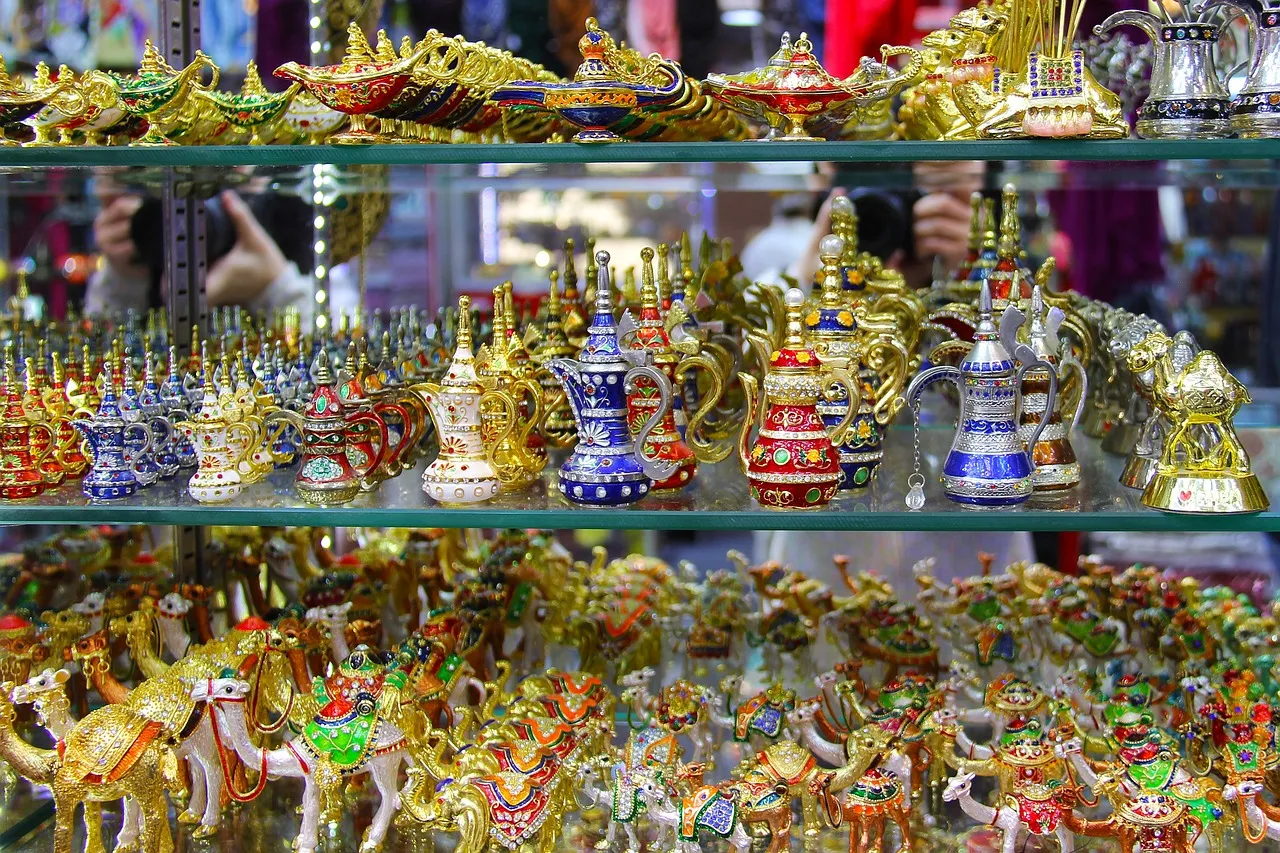
The tourist souvenir economy runs on olive wood, Dead Sea products, and Armenian ceramics. Two of these three are worth buying. If you are trying to figure out the full budget picture before the trip, what a church trip to Israel actually costs breaks down the real numbers beyond just souvenirs.
Olive wood. Bethlehem is the center of olive wood carving in the region. Crosses, nativity sets, and small figures are the standard items. Quality varies widely; feel the finish and check that joints are smooth on figurines. The souvenir shops outside the Church of the Nativity are not the best prices. The workshops further into Bethlehem, particularly on Paul VI Street, are where the carvers actually work and prices are lower. A small nativity set runs 100-200 shekels depending on size; a simple cross, 30-60 shekels.
Dead Sea products. Dead Sea mineral salts, mud masks, and lotions are sold everywhere. The best prices are at Ahava stores (an Israeli brand with Dead Sea products that is the genuine article) rather than the random gift shops that mark up aggressively. Ahava has locations in Ben Gurion Airport if you run out of time. A quality mud mask is about 80 shekels; bath salts, 40-60 shekels for a large bag.
Armenian ceramics. The Armenian Quarter of the Old City has several family workshops that produce hand-painted ceramic tiles, plates, and bowls in distinctive blue-and-white patterns. The Balian family workshop and the Karakashian shop are both on Armenian Orthodox Patriarchate Road. These are not mass-produced; each piece is hand-painted by a member of a family that has been working in Jerusalem for generations. Expect to pay 150-400 shekels for a piece depending on size, and it is worth it.
Skip. Anything with “Holy Land” printed on generic packaging is usually mass-produced and overpriced. Mass-produced keffiyehs, while not offensive to buy, are made in China. If you want a keffiyeh, buy one from a Palestinian vendor who is selling actual locally made fabric, which requires asking where it comes from.
Spices. The best souvenir that fits in a carry-on is spices. Za’atar blend, sumac, dried rose petals, and baharat (an all-purpose spice mix) from Mahane Yehuda Market or the Old City souk run 20-40 shekels for a large bag and last six months in your kitchen. They are also something no one at home has already bought you.
Seasonal events worth knowing
Israel’s calendar mixes Jewish holidays, Muslim observances, Christian festivals, and civic celebrations. Some of these significantly affect what is open and how cities feel.
Passover (March or April). The week of Passover, Jewish families across Israel are eating matzah instead of regular bread, and many restaurants switch menus accordingly. Leavened bread disappears from most Jewish-owned restaurants and supermarkets. Hotels manage this by running separate buffet sections. If bread is important to your group, Arab-owned bakeries and restaurants continue as normal.
Easter. In Jerusalem, Holy Week and Easter Sunday bring tens of thousands of Christian pilgrims from around the world to the Old City. The Church of the Holy Sepulchre on Easter Sunday is an experience that is difficult to describe and impossible to navigate without preparation. Crowds are significant, the ritual is ancient and layered, and the processions represent traditions from Greek Orthodox to Ethiopian Orthodox to Catholic and Armenian congregations simultaneously. If Easter is your target date, the tour logistics require planning significantly further in advance. The complete guide to planning your church pilgrimage goes through the group logistics in detail, including how far ahead to book for peak holy days.
Rosh Hashanah and Yom Kippur (September or October). Yom Kippur is the most observed day in the Jewish calendar. The entire country essentially stops: no cars on the roads (in most cities, even secular people respect this), nearly all businesses closed, and a very specific quiet descends on urban areas. Experiencing Yom Kippur in Jerusalem is worth doing deliberately. The streets fill with pedestrians and cyclists since there are no cars; families walk to synagogue; the city sounds completely different.
Christmas in Bethlehem. Midnight Mass at the Church of the Nativity on December 24-25 is a real event, not a tourist recreation. Palestinian Christian families, international pilgrims, and clergy from multiple denominations fill Manger Square. The Franciscan Mass at midnight inside the Church is ticketed (through the Franciscan Custody of the Holy Land) and attendance requires planning months in advance. The Israel Ministry of Tourism publishes official holiday dates and event listings that are useful for verifying exact timing each year, since the Jewish and Muslim calendars shift annually.
Modern Israel beyond the sites
If you have time between scheduled stops, a few things give a better picture of daily Israeli life than most itineraries include.
Grocery shopping at a supermarket chain like Shufersal or Rami Levy is unexpectedly interesting: the produce section alone tells you something about what Israelis eat and grow. The freezer sections of Israeli supermarkets carry frozen shakshuka bases, pre-made burekas, and hummus in every possible configuration. A walk through a supermarket is twenty minutes and costs nothing.
Any Israeli café in the morning operates as a workplace. People bring laptops, order a single espresso and a croissant, and stay for two hours. The coffee is good, the culture is familiar, and sitting with a cup of café hafuch (literally “upside-down coffee,” an Israeli cappuccino-like drink) for thirty minutes in the middle of a full itinerary is useful.
The Carmel neighborhood in Haifa has some of the best views over the bay and the port. It is also the main neighborhood of the Bahai world center, whose terraced gardens descend from Mount Carmel to the sea below. The gardens are free to visit, visually extraordinary, and open to all. They appear on few Christian pilgrimage itineraries despite being directly en route between Tel Aviv and the Galilee.