The best things to do in Bethlehem for a Christian group are the Church of the Nativity, the Milk Grotto, Manger Square, Shepherds’ Fields, and Star Street, in that order of priority. The town is small, the holy sites cluster within walking distance of each other, and the logistics (checkpoint, driver swap, narrow streets) eat more time than the sightseeing itself. Plan around the logistics first, then build in the sites.
How Bethlehem fits into a Jerusalem itinerary
Bethlehem is 10 kilometers south of Jerusalem. On paper that is a 20-minute drive. In practice, allow 90 minutes door to door each way once you factor in the checkpoint, the driver switch, and Bethlehem’s narrow one-way streets.
Three ways groups handle it:
- Half-day trip from Jerusalem (4 to 5 hours total). Leave your Jerusalem hotel by 7:30 a.m., be at the Church of the Nativity by 9:00 a.m. before the cruise-ship buses arrive, finish lunch at Manger Square by 12:30 p.m., back across the checkpoint by 2:00 p.m. This is the standard model.
- Full day (8 hours). Same morning start, but add Shepherds’ Fields after lunch, Star Street in the late afternoon, and the separation wall art on the way out. Worth it if your group cares about more than the Nativity site.
- Combined with Hebron or the Herodion. Possible, but tight. Skip this unless you have a guide who runs it weekly.
For groups doing a 7 or 10-day Holy Land tour, half a day is the standard allocation. Push for a full day if your group includes serious history readers or anyone who wants to shop properly.
The Church of the Nativity (non-negotiable)
This is the reason your group is here. Built originally in 339 CE over the cave traditionally identified as the birthplace of Jesus, rebuilt by Justinian around 565 CE, and the oldest continuously functioning church in the world.
What you need to know:
- Allow 90 minutes minimum. The Grotto queue alone can hit 45 minutes on a busy day.
- Go straight to the Grotto entrance when you arrive. Don’t tour the nave first. Queue, descend, see the silver star and the Chapel of the Manger, then come back up and see the basilica without the time pressure.
- The Door of Humility is 1.2 meters high. Anyone over six feet has to bow. That’s the point.
- St. Catherine’s Church is next door. This is where the Roman Catholic midnight Christmas mass is broadcast from. The cave complex below it includes Jerome’s study, where he produced the Latin Vulgate. Most groups skip the caves. Don’t. (If your group is planning a December trip, see the Christmas in Bethlehem pilgrim’s guide for ticket logistics and crowd timing.)
Full breakdown in the Church of the Nativity visitor guide.

Manger Square, the Milk Grotto, and the walkable cluster
Once you’re out of the Church of the Nativity, the rest of central Bethlehem’s sites are within a 10-minute walk.
Manger Square is the open plaza directly in front of the church. It has a visitor center, public restrooms (use them, the church doesn’t have great facilities), benches, and the Mosque of Omar across the square. This is your group rally point. If anyone gets lost, send them here.
The Milk Grotto Chapel is 150 meters southeast of the Church of the Nativity, down a narrow lane. Tradition holds that Mary nursed Jesus here during the family’s hiding before the flight to Egypt, and a drop of milk landed on the cave floor, turning the rock white. Catholic and Orthodox couples come here to pray for fertility. Allow 20 minutes. Free entry. The chapel keepers sell small packets of the white limestone powder if your group is interested.
Star Street is the historic processional route into Bethlehem, the road traditionally walked by the Holy Family arriving for the census and by every Patriarch making the formal entry on Christmas Eve. It runs from the Damascus Gate area at the edge of town down to Manger Square. Walking the full length takes 25 minutes. The Ottoman-era houses and Crusader-period arches along it are worth seeing, but the street is narrow with traffic, so single-file the group.
Olive wood, mother of pearl, and where to actually buy
Bethlehem has been carving olive wood for the pilgrim trade since at least the 16th century. Mother of pearl work came in with Franciscan friars from Italy. Both crafts still support local Christian families, and your purchases matter to a community that has shrunk from roughly 85% Christian a century ago to around 10% today.
What to buy:
- Nativity sets. The benchmark Bethlehem souvenir. Prices scale with the number of figures and the carving detail. Hand-carved sets from local Bethlehem olive wood are the high end. Machine-roughed sets from imported wood with hand-finish work are mid-range. Fully imported sets are cheap and not worth your money.
- Crosses, rosaries, communion sets. Olive wood crosses with mother of pearl inlay are the classic combination.
- Larger pieces. Last Supper reliefs, standing crucifixes, large nativity scenes. These ship; ask the shop about international shipping before you commit.
Where to buy: workshops with carvers visible on-site beat anonymous gift shops every time. Established shops near Manger Square (Christmas House, Three Arches, Holy Land Arts) are reliable. Avoid the high-pressure stalls inside the church complex.
Pro tip: group leaders, negotiate one bulk discount with a workshop in advance and bring your group there. You’ll get 15-25% off list prices for a group of 30 making purchases, and the shop will hold the building for your visit so it isn’t packed with other tourists.
Shepherds’ Fields and the eastern edge of town
Shepherds’ Fields is in Beit Sahour, a 10-minute drive east of central Bethlehem. Two competing sites: the Catholic Shepherds’ Field (Franciscan, with the Barluzzi-designed chapel from 1954) and the Greek Orthodox site at Kanisat al-Ruwat. Most groups visit the Catholic one. Both are valid.
Allow 60 to 90 minutes for either site, including the cave chapels and time for a short reflection or hymn outside. The Catholic site has a natural amphitheater between the chapel and the parking area where groups sing.
Full breakdown in the Shepherds’ Fields visitor guide.
The separation wall, Banksy, and Rachel’s Tomb area
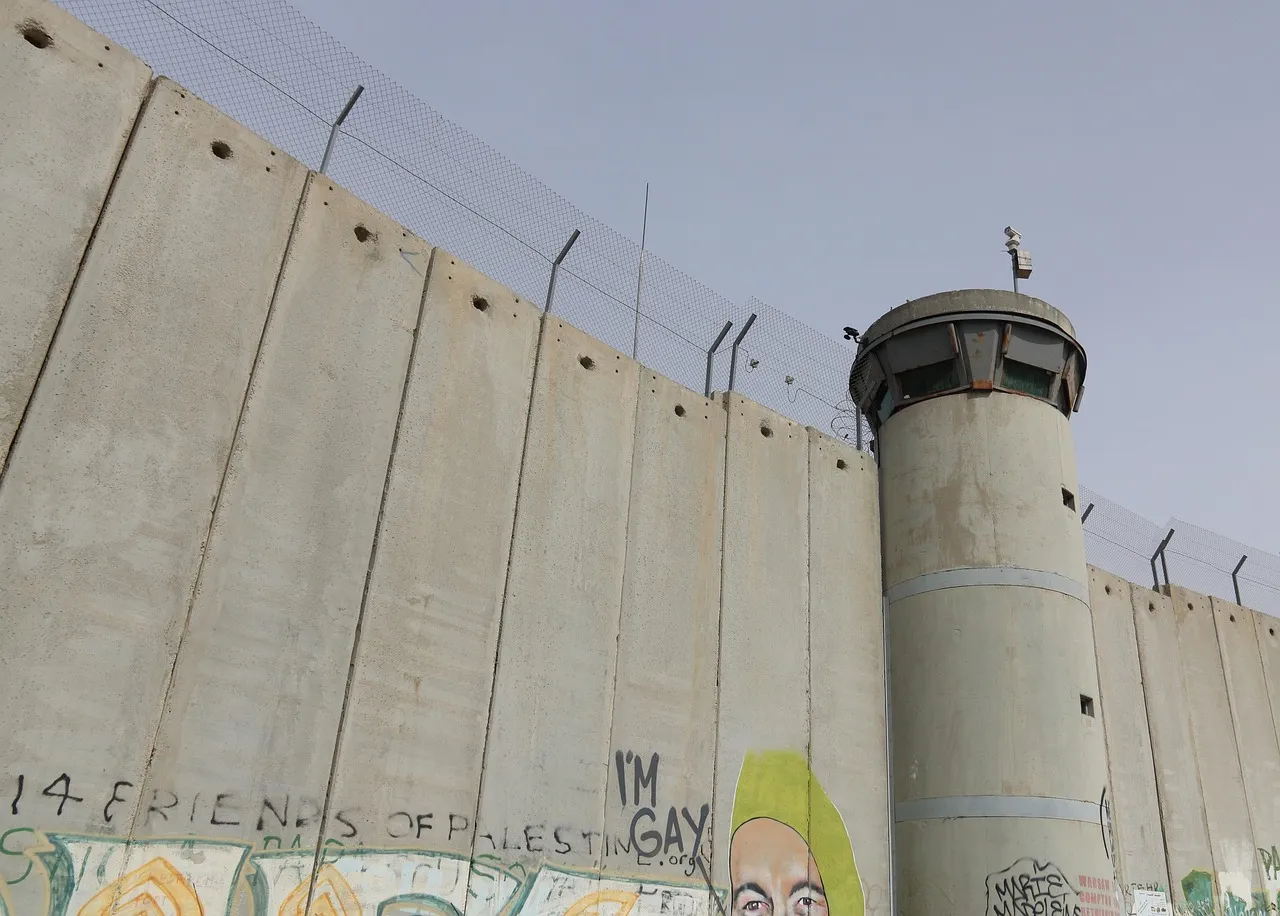
The Israeli separation wall runs along the northern edge of Bethlehem near Rachel’s Tomb. It is roughly 8 meters high in this section, covered in murals and political graffiti, including several Banksy works (the Armored Dove, the Girl Frisking a Soldier, the original Walled Off Hotel installations).
The Walled Off Hotel, Banksy’s project building directly facing the wall, runs a small museum about the wall’s construction and the political situation. Entry is open to non-guests during museum hours. Allow 45 minutes if your group is interested; skip it if your group prefers to keep the visit purely religious.
Rachel’s Tomb itself, the traditional burial site of the matriarch Rachel, is now on the Israeli side of the wall and accessed from Jerusalem, not from Bethlehem. This is a logistical point that confuses groups: you cannot walk from central Bethlehem to Rachel’s Tomb anymore. If you want to visit, do it as a separate stop on the Jerusalem side.
Eating in Bethlehem
You will eat lunch here. Plan for it; don’t wing it with 40 hungry pilgrims at 1:00 p.m.
Three options groups actually use:
- Afteem Restaurant (off Manger Square). Hummus, falafel, mixed grills. Casual, fast, accommodates groups up to 80 with advance booking.
- The Tent Restaurant (Beit Sahour, near Shepherds’ Fields). Bedouin-style buffet under a permanent tent structure. Built for tour groups. Better for full-day itineraries that include Shepherds’ Fields after lunch.
- Hosh Al-Syrian (Star Street area). Higher-end Palestinian cuisine in a restored 18th-century courtyard. Smaller capacity, around 40, and needs booking a week out.
Book at least three days ahead for any group over 25.
Checkpoint and driver logistics
Bethlehem is in Area A. Israeli law prohibits Israeli citizens and Israeli-plate vehicles from entering. This is non-negotiable, and it shapes your day.
How groups handle it:
- Standard model: Israeli driver and bus take you to a transfer point near the Jerusalem side of the checkpoint (often Mar Elias Monastery or the Gilo junction). You switch to a Palestinian bus and Palestinian guide for the Bethlehem portion. Reverse on the way out.
- Walk-through model: Smaller groups (under 12) sometimes walk through Checkpoint 300 on foot and meet a Palestinian driver on the other side. Adds 15 minutes; saves the cost of two buses.
- One-driver model: Groups using a Palestinian guide and Palestinian-plate vehicle from the start can do the whole day, including pickups in Jerusalem, with one team. Logistically simpler but the driver can’t take you to most Israeli sites later in your itinerary.
The return crossing is the slow direction. Plan to be back at the checkpoint by 3:30 p.m. if you have a 6:00 p.m. dinner reservation in Jerusalem.
What I’d do: for any group over 20, hire a licensed Palestinian guide for the Bethlehem half-day or full-day, run the driver swap at Mar Elias on the way in, and budget 45 minutes for the return crossing. That gets you the sites without the logistics derailing dinner. Current crossing hours and status for Checkpoint 300 are published by the Israeli Coordination of Government Activities in the Territories (COGAT).
Bottom line
For a half-day visit: Church of the Nativity (90 minutes), Milk Grotto (20 minutes), Manger Square lunch (60 minutes), one olive wood workshop (30 minutes), back to Jerusalem.
For a full day: add Shepherds’ Fields after lunch, walk Star Street in the late afternoon, see the separation wall murals on the way out.
Groups doing a structured 10-day tour that includes Bethlehem alongside Galilee, Jerusalem, and the Jordan Valley can see how the day is sequenced in the context of the full trip on our Holy Land Pilgrimages hub.
For the wider archaeological and biblical context of Bethlehem alongside other Holy Land sites, see Biblical sites in Israel: Christian pilgrim’s complete guide.
Book your Palestinian guide and lunch restaurant at least a week ahead. Get the group through the checkpoint before 9:00 a.m. and back through before 4:00 p.m. Tip your guide and your driver in cash, in shekels or dollars, at the end of the day.